


Call For a Consultation (305) 373-4400
Is Your CBD Business at Risk? What Florida’s New Enforcement Trends Mean
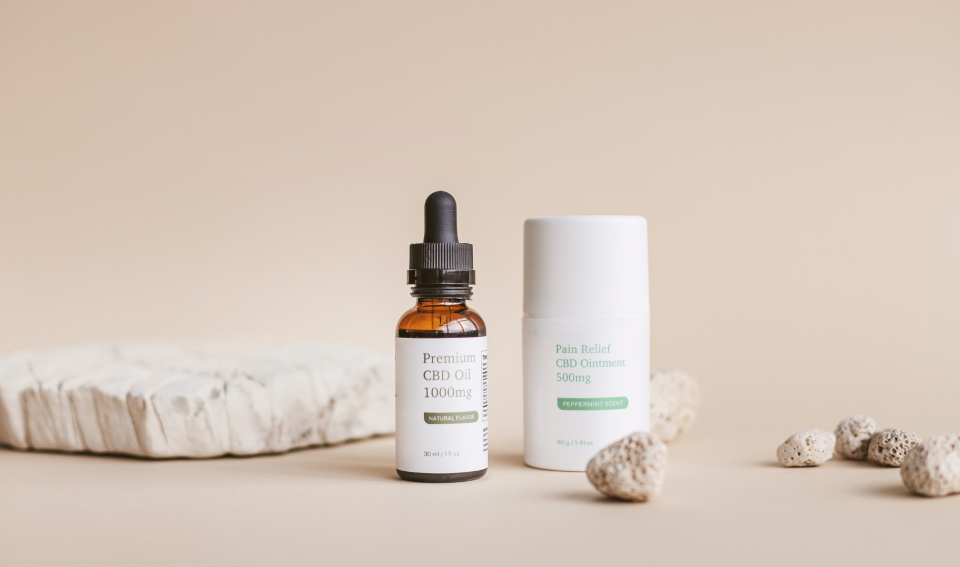
Executive Summary: Florida and the federal government are increasing enforcement in the cannabis and CBD space, particularly after 2025 updates to controlled substance schedules. Products containing substances like 7-hydroxy are now prohibited, and businesses pushing formulation or marketing boundaries are being targeted. While CBD and medical marijuana are legal under state law, federal law also still creates risk exp[. Companies should review compliance practices immediately to avoid civil or criminal exposure.
You built your business around products that are widely sold, openly marketed, and often described as legal. Then you hear about a raid, a seizure, or a new rule and suddenly the line isn’t so clear.
That’s where the cannabis and CBD space stands in Florida right now. Medical marijuana is legal. CBD is legal. But enforcement is increasing, especially where businesses push product formulations or marketing claims too far.
If you’re operating in this space, you need to understand where the real risks are and how quickly they can turn into criminal exposure.
-
What Is Actually Legal in Florida?
Florida law allows:
- Medical marijuana through licensed Medical Marijuana Treatment Centers
- Hemp-derived CBD products with less than 0.3% THC
At the federal level, hemp was legalized under the 2018 Farm Bill, but marijuana remains a Schedule I controlled substance under the Drug Enforcement Administration.
This split between state and federal law creates real exposure. A product that is compliant under Florida law may still raise issues under federal law, or vice versa.
-
What Changed?
In August 2025, Florida updated its controlled substance schedules to address a growing issue: altered or synthetic compounds being added to CBD products.
One key change involves 7-hydroxymitragynine (often called “7-hydroxy” or “70”). This substance, tied to enhanced or hallucinogenic effects, is now considered illegal to include in CBD products in Florida. This matters because many businesses have been:
- Formulating products that enhance potency
- Marketing effects beyond standard CBD use
- Blurring the line between hemp products and controlled substances
With this update, those practices are now drawing attention from regulators and law enforcement.
-
Where Enforcement Is Happening Right Now
Recent enforcement trends in Florida are focused on:
- Product composition: Adding prohibited compounds like 7-hydroxy
- Labeling and marketing: Claims that suggest psychoactive or medical effects without approval
- Distribution practices: Selling across state lines or through unregulated channels
- Retail sales: Products that resemble controlled substances or exceed THC limits
These cases don’t always start as criminal investigations. Many begin with inspections, complaints, or administrative reviews. But they can escalate quickly.
-
Why Businesses Are Getting Caught Off Guard
For several years, states were rapidly expanding cannabis laws. Businesses entered the market expecting continued growth and relaxed enforcement. That momentum has slowed.
- Federal rescheduling of marijuana has been discussed but not finalized
- State-level expansion has plateaued
- Enforcement agencies are now focusing on compliance, not growth
A federal DOJ/DEA final order (effective April 2026) moved certain types of marijuana, such as medical marijuana, into Schedule III but recreational marijuana and synthetic THC products remain Schedule I controlled substances.
In this environment, businesses that “push the envelope” are the first to be targeted.
-
What Are the Potential Consequences?
If your business is found to be out of compliance, you could face:
- Product seizures
- License suspension or revocation
- Civil penalties
- Criminal charges under Florida drug laws or federal statutes
And once a case crosses into criminal territory, it’s no longer just about your business. It’s about your personal exposure.
-
How to Reduce Your Risk
If you operate in the CBD or cannabis space in Florida, take these steps seriously:
- Audit your product line: Know exactly what’s in your formulations
- Review labeling and marketing: Avoid claims that could trigger regulatory action
- Verify suppliers: Ensure compliance throughout your supply chain
- Stay current on state law updates: Changes like the 2025 amendment can shift risk overnight
- Consult legal counsel early: Waiting until there’s an investigation limits your options
-
The Bigger Picture
This isn’t just about one compound or one regulation. It’s about a shift in enforcement priorities.
For years, the focus was on expanding access. Now, the focus is on control, compliance, and accountability.
If you’re operating in this space, you’re operating in a regulated environment where small decisions can carry large consequences.
Barry Wax gives people in trouble the ability to make the right choices and regain control of their lives. If your cannabis or CBD business is under scrutiny or you want to address risks before they become a problem, call Barry.
FAQs
- Is CBD still legal in Florida?
Yes, hemp-derived CBD with less than 0.3% THC is legal under Florida law, but product composition and additives must comply with current regulations. - What is 7-hydroxy and why is it an issue?
It’s a compound associated with enhanced or psychoactive effects. Florida has acted to prohibit its inclusion in CBD products. - Can I face criminal charges for selling non-compliant CBD products?
Yes. Depending on the substance and conduct, violations can lead to criminal charges under state or federal law. - Does federal law still apply if my business follows Florida rules?
Yes. Recreational marijuana remains a Schedule I substance federally, and certain activities can still trigger federal enforcement. - Are inspections common for CBD businesses?
Yes. Regulatory agencies may inspect products, labeling, and business practices, often leading to further action if issues are found. - What’s the biggest mistake CBD businesses make right now?
Assuming that past practices are still acceptable. Recent legal changes have shifted what is considered compliant.
Copyright © 2026 Law Offices of Barry M. Wax. All rights reserved.
Digital Marketing By 
*Images are obtained under license from Canva and other third-party stock image providers, with attribution included where required.